Project details
Budget:
$1000
Client:
Pandalytic Technology / Apponvi
Tool:
Figma
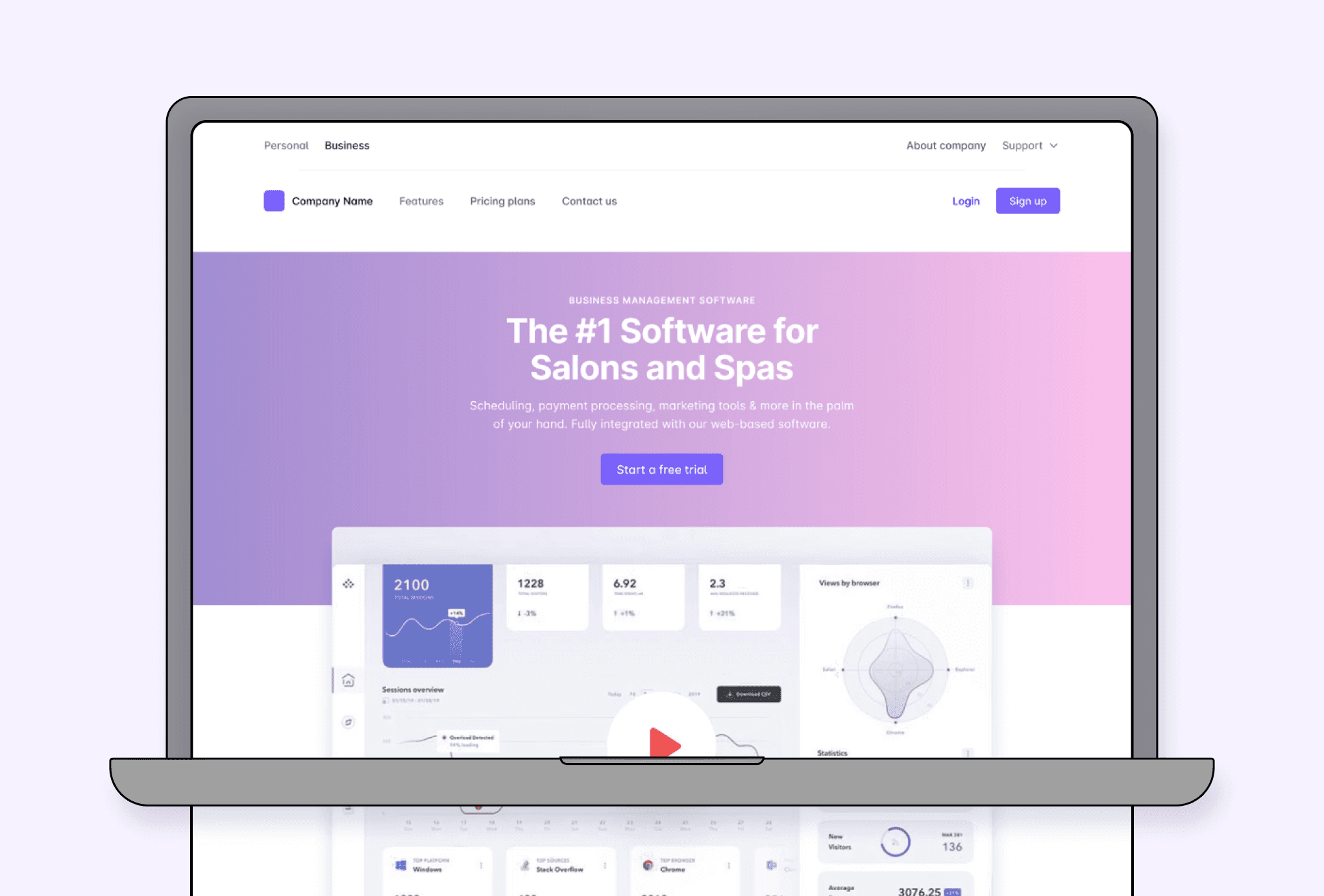
Salon Appointment Scheduling Platform
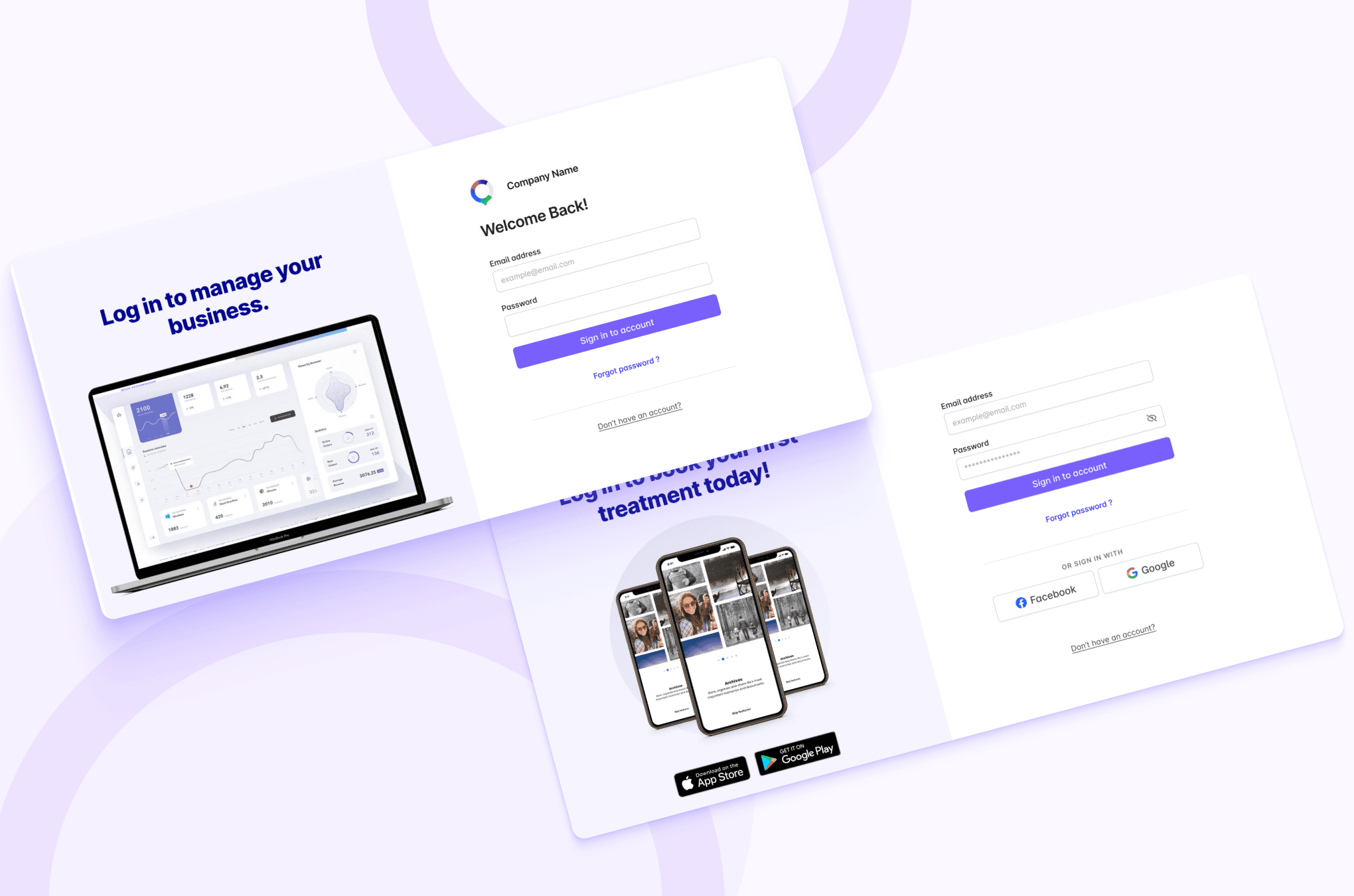
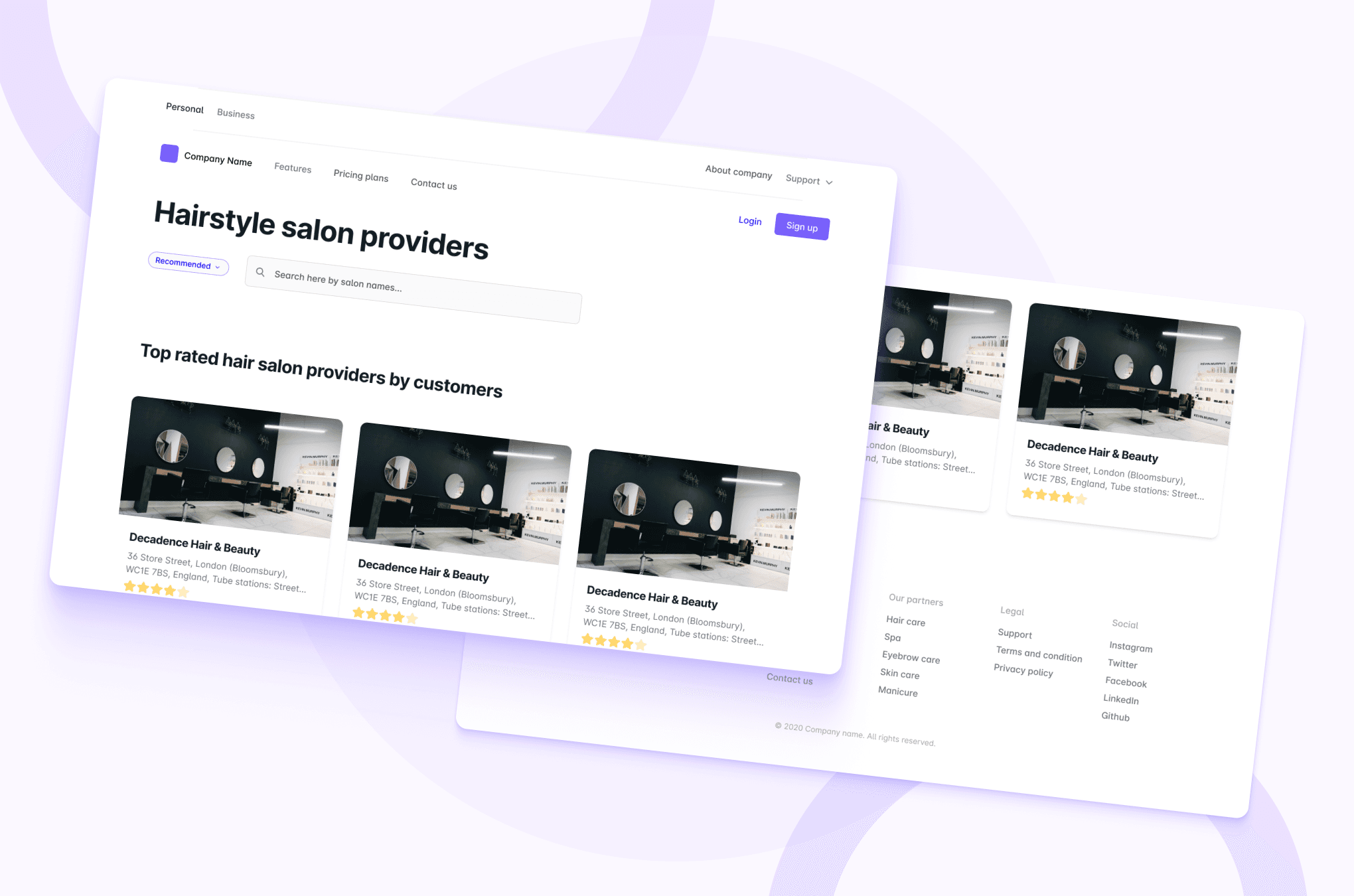
Digital platform that connects salons (businesses offering beauty and personal care services) with customers (consumers seeking those services), enabling seamless service discovery, booking, and management.
1. User-Centered Design: Putting Clients First
The foundation of my salon project was built on the principles of user-centered design (UCD), with a clear focus on understanding the real needs, preferences, and behaviors of salon clients. This initial research phase aimed to ensure that every design decision would resonate with users and genuinely enhance their experience.
To achieve this, I conducted comprehensive research into both local salons and key competitors, identifying current trends, service offerings, and customer engagement strategies. In addition to analyzing competitor platforms, I gathered insights directly from users through surveys and informal interviews. This research uncovered several common pain points—most notably, difficulties with scheduling appointments, lack of transparency in service availability, and limited personalization in user interfaces.
By centering my layout and design strategy around these insights, I ensured that my approach was not only functional but also emotionally intuitive for users.
1. User-Centered Design: Putting Clients First
The foundation of my salon project was built on the principles of user-centered design (UCD), with a clear focus on understanding the real needs, preferences, and behaviors of salon clients. This initial research phase aimed to ensure that every design decision would resonate with users and genuinely enhance their experience.
To achieve this, I conducted comprehensive research into both local salons and key competitors, identifying current trends, service offerings, and customer engagement strategies. In addition to analyzing competitor platforms, I gathered insights directly from users through surveys and informal interviews. This research uncovered several common pain points—most notably, difficulties with scheduling appointments, lack of transparency in service availability, and limited personalization in user interfaces.
By centering my layout and design strategy around these insights, I ensured that my approach was not only functional but also emotionally intuitive for users.
1. User-Centered Design: Putting Clients First
The foundation of my salon project was built on the principles of user-centered design (UCD), with a clear focus on understanding the real needs, preferences, and behaviors of salon clients. This initial research phase aimed to ensure that every design decision would resonate with users and genuinely enhance their experience.
To achieve this, I conducted comprehensive research into both local salons and key competitors, identifying current trends, service offerings, and customer engagement strategies. In addition to analyzing competitor platforms, I gathered insights directly from users through surveys and informal interviews. This research uncovered several common pain points—most notably, difficulties with scheduling appointments, lack of transparency in service availability, and limited personalization in user interfaces.
By centering my layout and design strategy around these insights, I ensured that my approach was not only functional but also emotionally intuitive for users.
2. Enhancing the User Experience Through Smart Design
Our commitment to user-centered design didn’t stop at research. Building on the insights gathered during the initial phase, we transitioned into ideation and prototyping with the goal of crafting a truly intuitive and engaging salon experience.
We began by developing low-fidelity sketches and wireframes, mapping out the user journey and interface interactions. These early drafts allowed us to explore layout options and identify key touchpoints that aligned with user needs and expectations.
From there, we created a mid-fidelity prototype that brought more structure and detail to the design. This prototype was tested with potential users to evaluate usability, clarity, and overall flow. The feedback collected during testing was instrumental in refining both the interface and functionality.
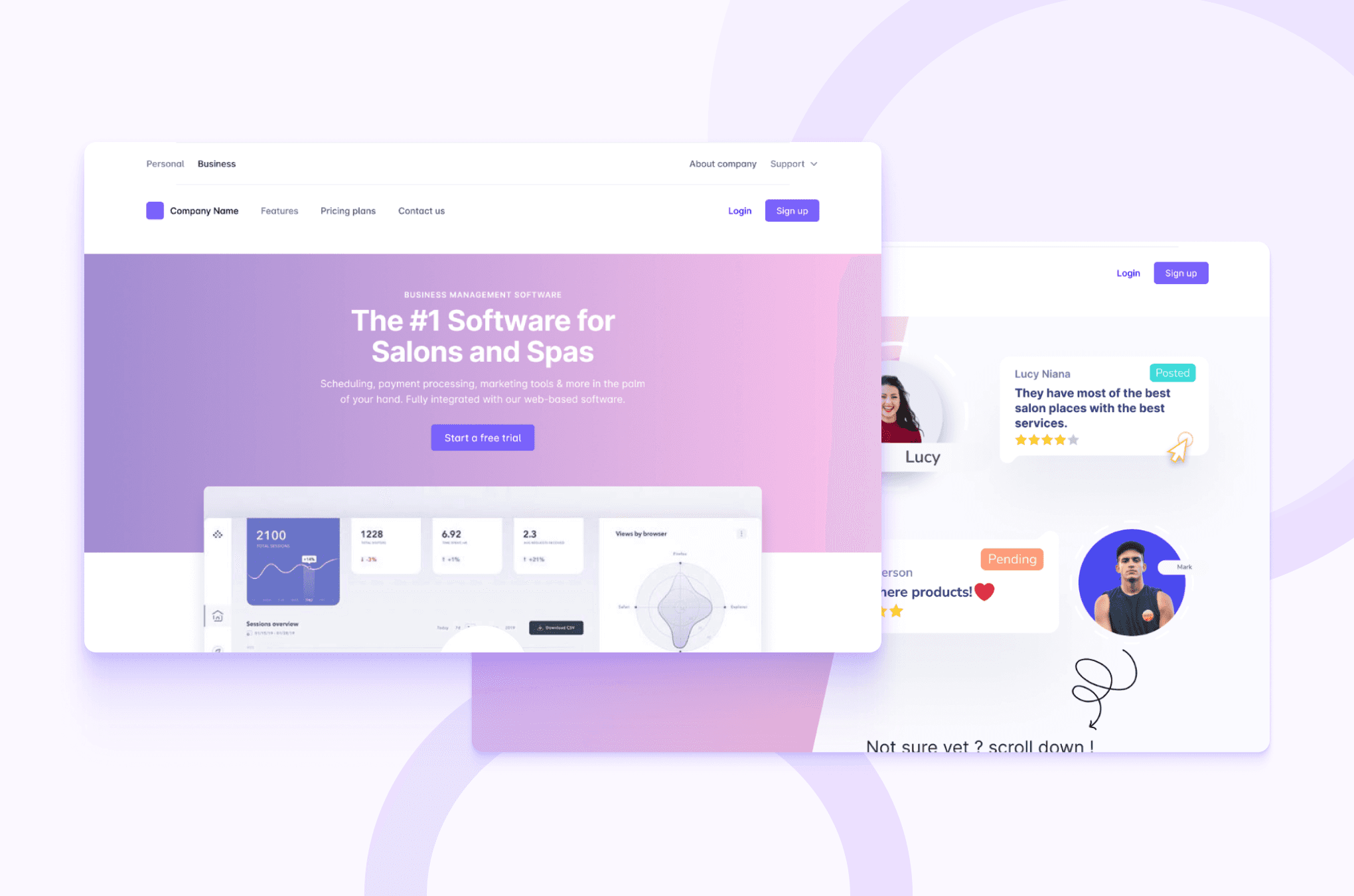
After multiple iterations and adjustments based on real user input, we finalized the high-fidelity design—an elegant, streamlined solution that simplifies the appointment booking process, enhances user engagement, and reflects the modern expectations of salon-goers.
The completed design is now ready for handoff, equipped with the insights and precision necessary to move seamlessly into development.
2. Enhancing the User Experience Through Smart Design
Our commitment to user-centered design didn’t stop at research. Building on the insights gathered during the initial phase, we transitioned into ideation and prototyping with the goal of crafting a truly intuitive and engaging salon experience.
We began by developing low-fidelity sketches and wireframes, mapping out the user journey and interface interactions. These early drafts allowed us to explore layout options and identify key touchpoints that aligned with user needs and expectations.
From there, we created a mid-fidelity prototype that brought more structure and detail to the design. This prototype was tested with potential users to evaluate usability, clarity, and overall flow. The feedback collected during testing was instrumental in refining both the interface and functionality.
After multiple iterations and adjustments based on real user input, we finalized the high-fidelity design—an elegant, streamlined solution that simplifies the appointment booking process, enhances user engagement, and reflects the modern expectations of salon-goers.
The completed design is now ready for handoff, equipped with the insights and precision necessary to move seamlessly into development.
2. Enhancing the User Experience Through Smart Design
Our commitment to user-centered design didn’t stop at research. Building on the insights gathered during the initial phase, we transitioned into ideation and prototyping with the goal of crafting a truly intuitive and engaging salon experience.
We began by developing low-fidelity sketches and wireframes, mapping out the user journey and interface interactions. These early drafts allowed us to explore layout options and identify key touchpoints that aligned with user needs and expectations.
From there, we created a mid-fidelity prototype that brought more structure and detail to the design. This prototype was tested with potential users to evaluate usability, clarity, and overall flow. The feedback collected during testing was instrumental in refining both the interface and functionality.
After multiple iterations and adjustments based on real user input, we finalized the high-fidelity design—an elegant, streamlined solution that simplifies the appointment booking process, enhances user engagement, and reflects the modern expectations of salon-goers.
The completed design is now ready for handoff, equipped with the insights and precision necessary to move seamlessly into development.